
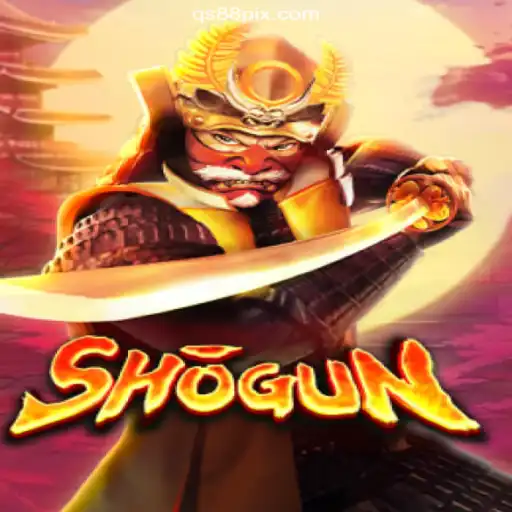
Exploring the Intricacies of Shogun: A Timeless Game of Strategy
In the realm of strategic games, few stand out as prominently as Shogun. This game, which beautifully encapsulates the essence of feudal Japan, offers players a unique blend of strategy, diplomacy, and warfare. As players take on the role of powerful daimyos, they must navigate complex political landscapes, all in an attempt to become Shogun, the ultimate military leader. The game's intricate mechanics and deep strategic elements make it a timeless classic in the world of board games.
A Brief Introduction to Shogun
Shogun transports players to Japan's Sengoku period, a time marked by social upheaval, military conflict, and political intrigue. Each player is a daimyo, a feudal lord seeking to expand their influence and control over Japan. The ultimate goal is to earn enough honor and fame to achieve the title of Shogun. This game is not only about warfare; it also demands that players develop a keen sense of diplomacy and strategic foresight.
At its core, Shogun is a game of resource management. Players must carefully balance their resources, including gold, troops, and territories, to outmaneuver their opponents. This balance is essential, as a lack of resources can leave a player vulnerable to attacks from rivals or make it impossible to respond to changing circumstances on the board.
The Rules of Engagement in Shogun
Shogun is structured around a series of rounds that represent different seasons of the year. Each season brings its own set of challenges and opportunities, making careful planning essential. There are five primary phases in each round: deployment, action, battle, event, and harvest.
Deployment Phase
During the deployment phase, players allocate their troops across the territories they control. This step requires strategic thinking, as players must decide where to concentrate their forces for optimal defense and offensive capability. Proper deployment is key to maintaining a strong position on the board.
Action Phase
In the action phase, players execute diplomatic and economic actions. This could involve forging alliances with other players, negotiating treaties, or expanding economic resources. Each action can have a significant impact on a player's ability to maneuver and gain the upper hand in future rounds.
Battle Phase
The battle phase is where conflicts are resolved. Players may engage in battles to capture new territories or defend their holdings from rivals. Combat is resolved using a combination of strategic planning and dice rolls, making this phase both thrilling and unpredictable.
Event Phase
The event phase introduces random elements that can dramatically alter the game's landscape. Events may include natural disasters, uprisings, or political shifts that affect all players. This unpredictability adds an exciting layer of complexity and forces players to adapt their strategies on the fly.
Harvest Phase
The harvest phase allows players to gather resources from their territories. Managing these resources effectively is crucial for sustaining military campaigns and fortifying defenses. Those who manage their resources wisely gain a significant advantage over less prudent opponents.
Modern Relevance and Current Events
The strategic depth of Shogun continues to resonate with players around the globe. Moreover, advancements in technology and the rise of online gaming platforms have brought new life to this classic game. Players can now experience Shogun in a digital format, allowing for remote gameplay and the integration of advanced AI opponents.
The popularity of online gaming arenas such as QS88 Cassino online com bônus no Brasil💸 highlights the ongoing trend of integrating traditional gaming experiences with modern digital platforms. This convergence is not only expanding the reach of games like Shogun but is also fostering a new generation of strategy enthusiasts.
Incorporating elements of history and strategy, Shogun remains an excellent educational tool, allowing players to explore historical scenarios in a competitive and engaging manner. Its emphasis on strategic planning, resource management, and diplomatic acumen mirrors the real challenges faced by leaders past and present.
Conclusion
Understanding the nuances of Shogun requires time and dedication, but the rewards are well worth the effort. This strategic masterpiece continues to challenge and intrigue, offering a perfect blend of entertainment and intellectual stimulation. Whether playing on a board or an online platform, Shogun invites players to explore its rich tactical landscape, each session a new chapter in their quest for domination.